


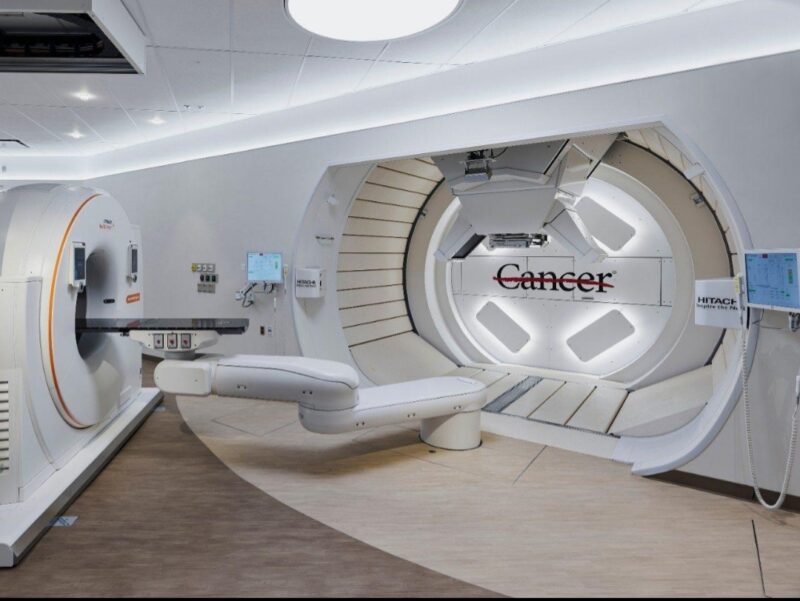
Kayonews-In the United States, the most advanced cancer care is typically delivered at facilities recognized as NCI-designated Comprehensive Cancer Centers by the National Cancer Institute. These institutions are federally supported for their excellence in research, innovative treatments, and access to cutting-edge clinical trials, making them the gold standard for oncology care.
Rankings from respected sources such as U.S. News & World Report and global healthcare evaluations consistently highlight a group of elite hospitals that lead the nation in cancer treatment outcomes, patient safety, and medical breakthroughs. These rankings are widely used by patients seeking the highest level of care.
Among the top-tier institutions, MD Anderson Cancer Center in Houston remains a dominant leader, frequently ranked as the number one cancer hospital in the country. It is widely known for its extensive clinical trial programs and highly specialized treatment divisions tailored to specific cancer types.
Another leading facility is Memorial Sloan Kettering Cancer Center in New York, recognized as one of the oldest and most advanced private cancer centers in the world. Its reputation is built on groundbreaking research and consistently strong patient outcomes.
In Boston, Dana-Farber Brigham Cancer Center stands out for its collaborative model of care, combining research and personalized treatment strategies. This approach allows patients to benefit from some of the most innovative therapies available today.
The Mayo Clinic, headquartered in Minnesota, continues to earn global recognition for its multidisciplinary care model. Patients receive coordinated treatment from teams of specialists, ensuring comprehensive and efficient care across all stages of cancer.
Meanwhile, Massachusetts General Hospital remains a top-five institution nationwide, particularly noted for its commitment to clinical research and development of next-generation cancer therapies.
Other nationally recognized centers include City of Hope Comprehensive Cancer Center, known for its expertise in blood cancers, Johns Hopkins Hospital with its strong research focus, Cleveland Clinic specializing in genomic-based treatments, and UCSF Medical Center, a leader in advanced oncology programs on the West Coast.
Choosing the right cancer treatment center depends on several key factors, including the specific type of cancer, the hospital’s specialization, its NCI designation, and the availability of support services. For many patients, proximity to family and access to patient support programs also play a critical role in the decision-making process.
FAQ
Q1: What is the best cancer treatment center in the United States?
The MD Anderson Cancer Center is frequently ranked as the top cancer hospital due to its research, clinical trials, and patient outcomes.
Q2: What does NCI-designated mean?
It means the center meets strict standards set by the National Cancer Institute for advanced research, treatment quality, and innovation.
Q3: Are top cancer centers in the U.S. expensive?
Yes, treatment can be costly, but many hospitals offer financial assistance, insurance coordination, and international patient programs.
Q4: Which hospital is best for clinical trials?
Centers like MD Anderson Cancer Center and Memorial Sloan Kettering Cancer Center are leaders in clinical trials and experimental therapies.
Q5: How do I choose the right cancer hospital?
Focus on your cancer type, hospital specialization, treatment options, and whether the center is NCI-designated.