


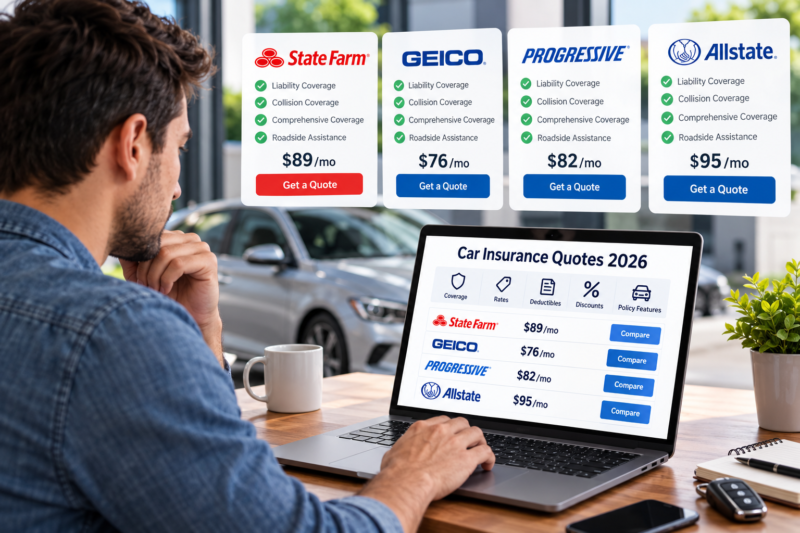
Kayonews-Car insurance companies can offer very different rates for similar drivers in 2026. Comparing several insurers can help drivers understand their available options. However, the lowest quote does not always provide the same coverage or policy benefits. The National Association of Insurance Commissioners recommends comparing policies using matching coverage limits and deductibles.
The first step is identifying the coverage you actually need. Most auto insurance policies include liability coverage for injuries and property damage caused to others. Drivers may also consider collision, comprehensive, uninsured motorist, underinsured motorist, medical payments, or personal injury protection. Requirements vary by state, so drivers should check their state’s insurance rules before buying a policy.
Liability coverage is especially important when comparing insurance companies. Bodily injury liability can help cover claims involving injuries caused by an insured driver. Property damage liability can help cover damage caused to another person’s vehicle or property. State minimum limits may not provide the same protection as higher limits, so consumers should consider their financial circumstances when comparing policies.
Drivers should also compare comprehensive and collision coverage. Collision coverage generally applies when a covered vehicle is damaged in a collision. Comprehensive coverage can apply to events such as theft, fire, severe weather, vandalism, or animal-related damage. These coverages typically include deductibles, which can affect both the policy price and the amount a driver pays after a covered claim.
Price is another major factor when comparing car insurance companies. Insurers use their own underwriting and rating systems, so two companies can offer different premiums to the same driver. Factors can include location, driving history, claims history, vehicle type, mileage, previous insurance coverage, age, and selected coverage limits.
To make a useful comparison, request quotes using identical information. Give each company the same vehicle details, drivers, coverage limits, deductibles, and policy options. Otherwise, a lower quote may simply reflect less coverage. The NAIC specifically recommends matching limits and coverage when comparing online auto insurance quotes.
Drivers should also examine discounts and policy features. Depending on the insurer and state, discounts may be available for multiple vehicles, safe driving, defensive driving courses, anti-theft devices, low mileage, good grades, or bundling home and auto insurance. A discount does not necessarily mean the final premium is lower, so compare the actual price after discounts.
Finally, consumers should look beyond the monthly premium. Check whether the insurer is licensed in your state and review available information about complaints and financial strength. Consider how the company handles claims, communicates with customers, and provides policy services. Shopping around periodically can also reveal whether another insurer offers different pricing for the coverage you need. (*)
Editor : Fanda Yosephta